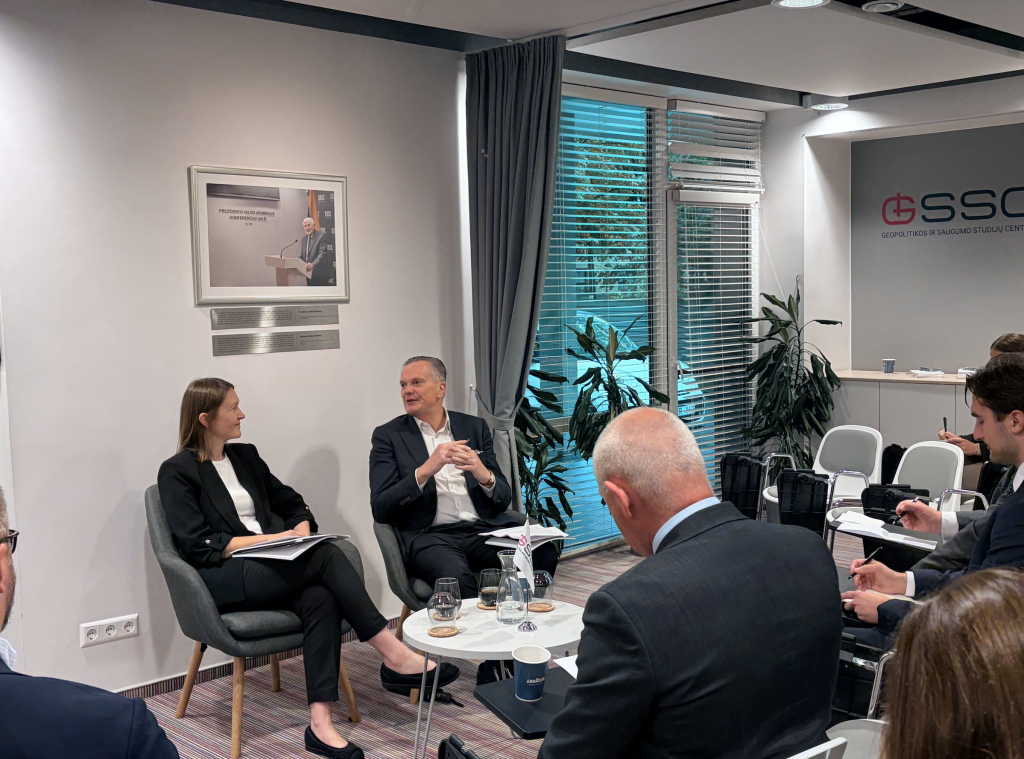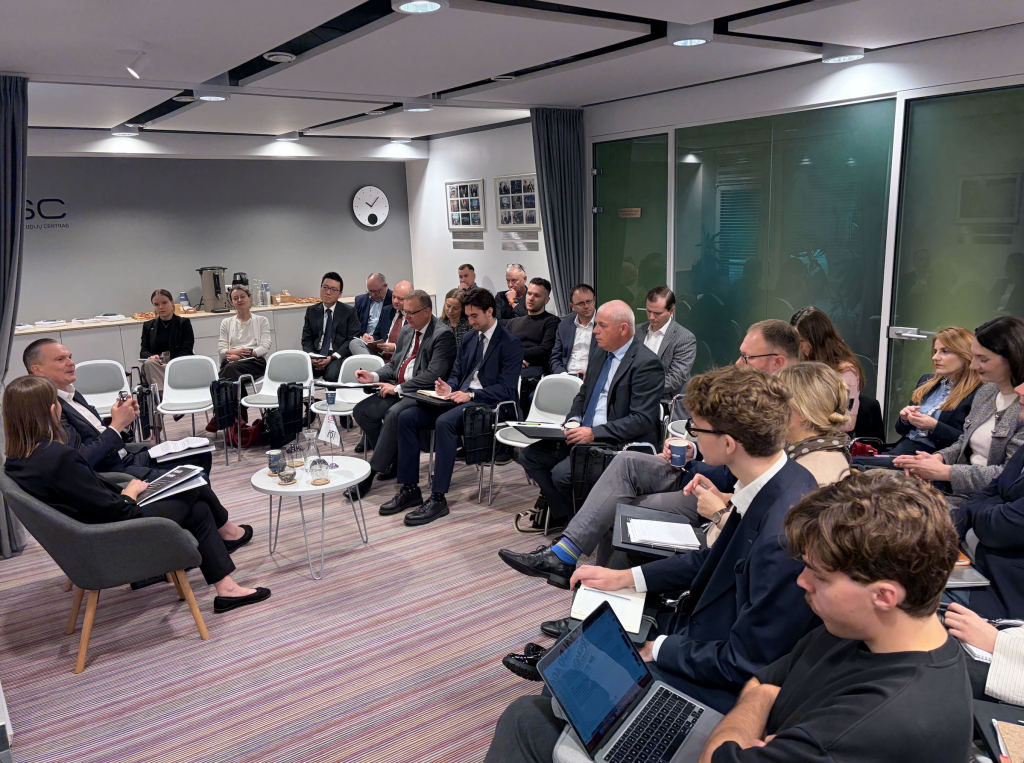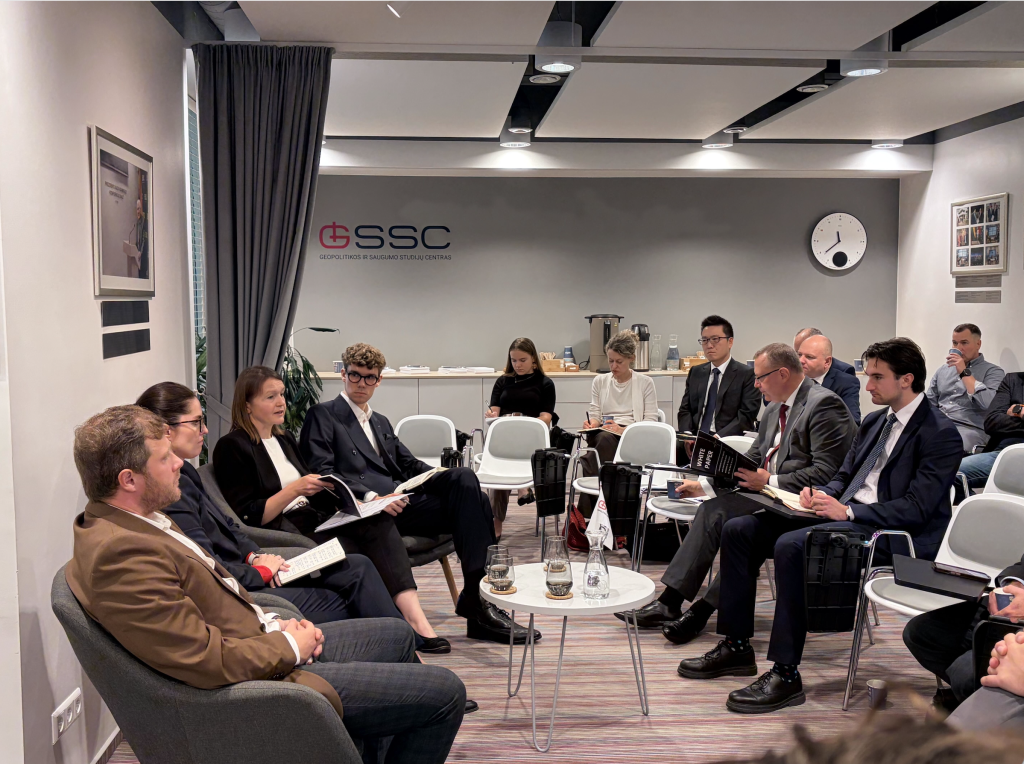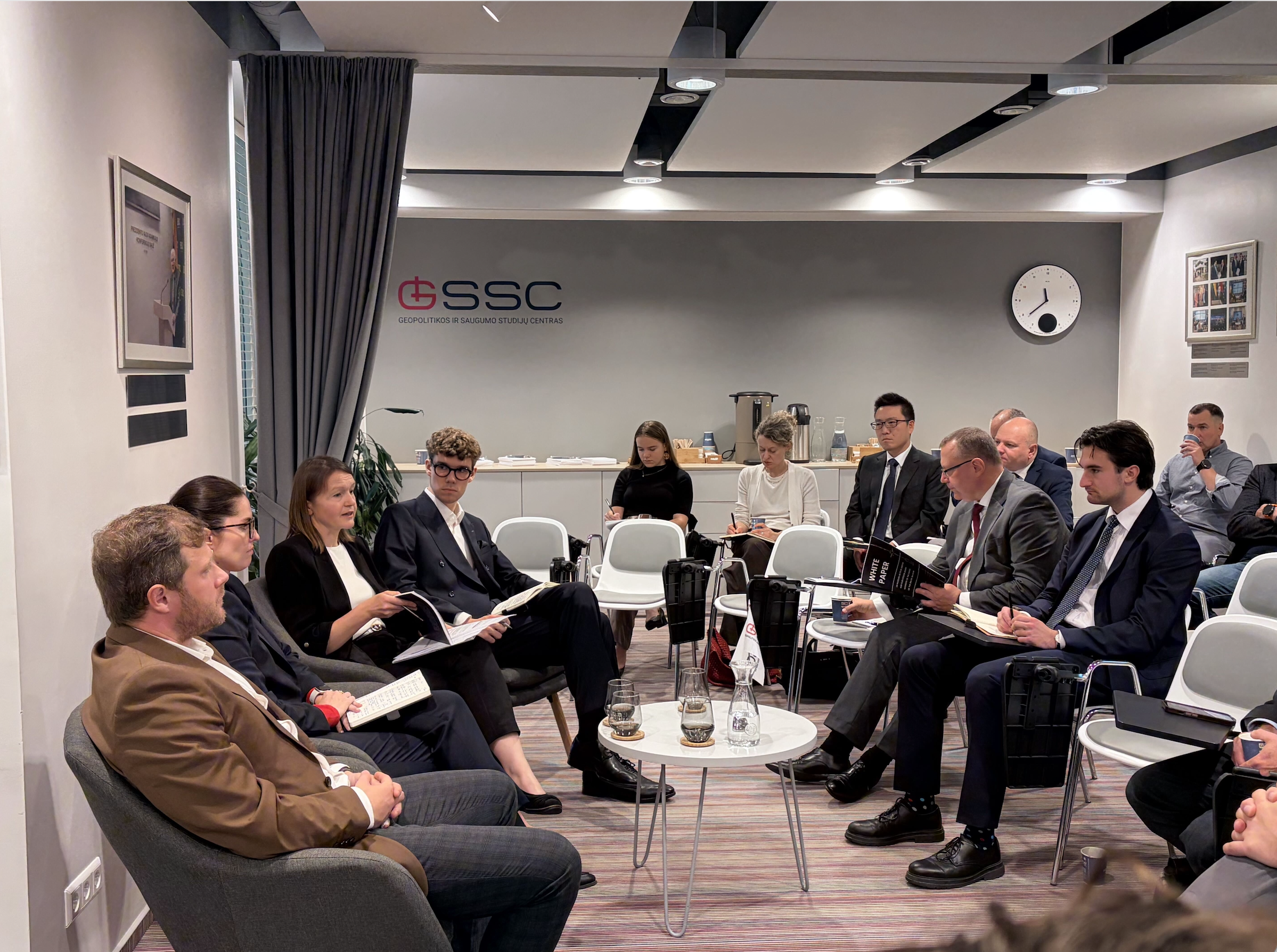



The Geopolitics and Security Studies Center together with the Polish Institute of International Affairs (PISM), held a seminar titled “Strengthening Baltic Security: Addressing Russian Hybrid Threats and the Shadow Fleet Challenge.” During the event, experts discussed Russia’s hybrid activities in the Baltic Sea region, the security threats they pose, and the role of Russia’s shadow fleet in circumventing Western sanctions.
During the first discussion, Elżbieta Kaca, Head of the International Sanctions Project at PISM, presented PISM’s White Paper on Russian Acts of Sabotage and Subversion against Members of the Council of the Baltic Sea States. The discussion focused on acts of sabotage against critical infrastructure, air and maritime border violations, GNSS signal disruptions, information operations and other hybrid activities, as well as ways to strengthen the resilience of countries in the region and enhance interinstitutional cooperation. The conversation was moderated by GSSC Associate Expert, representative of the Lithuanian Confederation of Industrialists in Brussels, Ambassador Eitvydas Bajarūnas.
The second part of the seminar featured the presentation of the PISM study “Russia’s Shadow Fleet under Pressure: Boosting the Impact of Western Sanctions.” The discussion addressed Russia’s use of the shadow fleet for oil exports and sanctions circumvention, the associated security and environmental risks, and ways to strengthen the enforcement of Western sanctions. The discussion featured Elżbieta Kaca, Petras Katinas, Research Fellow at RUSI, and Rūta Bajarūnaitė, Chief Adviser at the Sanctions Policy Department of the Ministry of Foreign Affairs of the Republic of Lithuania. The discussion was moderated by Rokas Valentinavičius, Junior Expert at GSSC.